Situation
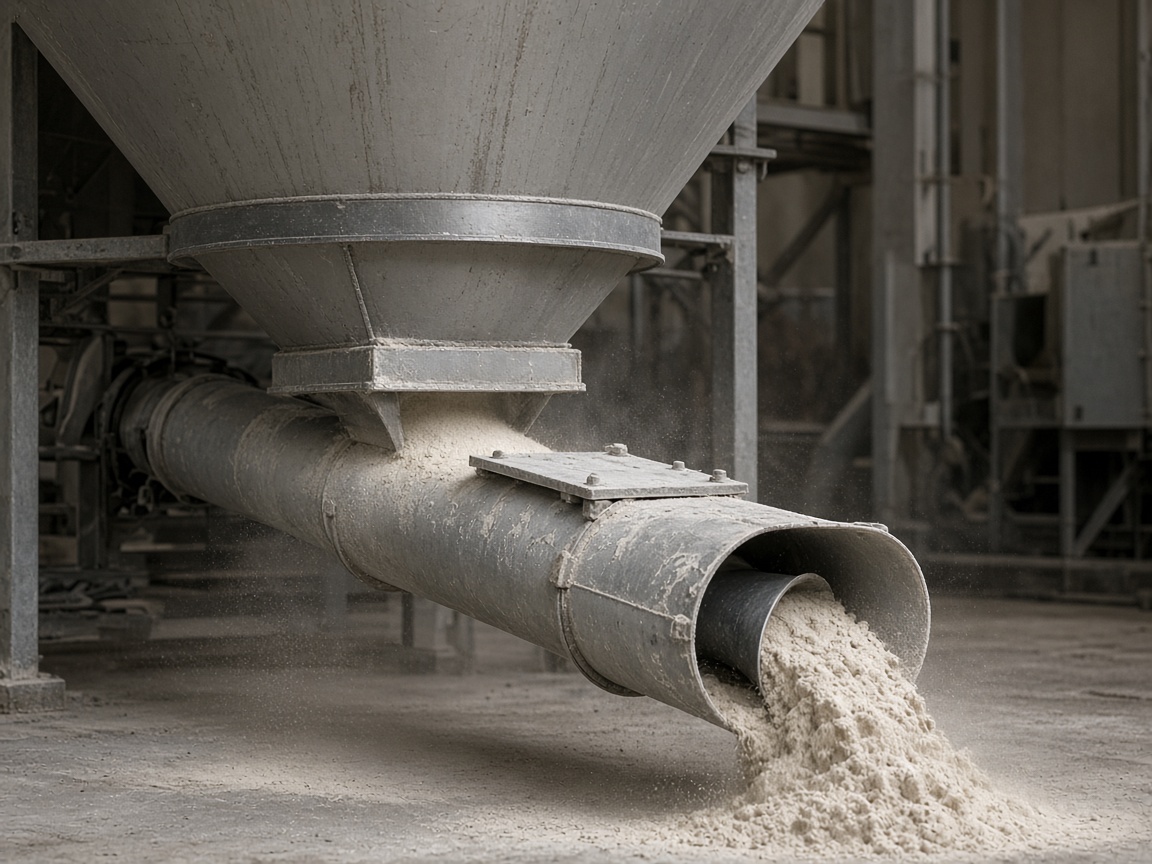
A dry-ingredient plant batched from four outdoor silos using timed auger runs because mechanical level switches were unreliable in dusty conditions. Overfills and starvation events caused rework and unplanned cleaning. Management wanted inventory-driven dosing with hard interlocks while keeping existing screw feeders.
Problems encountered
- Dust and cone angle changes produced false high levels on older ultrasonic devices.
- Batch recipes did not account for bulk density variation between suppliers.
- Manual top-ups during night shift were not reflected in batch records.
- Starvation during long runs tripped downstream mixers without a clear root cause on HMI.
Engineering response
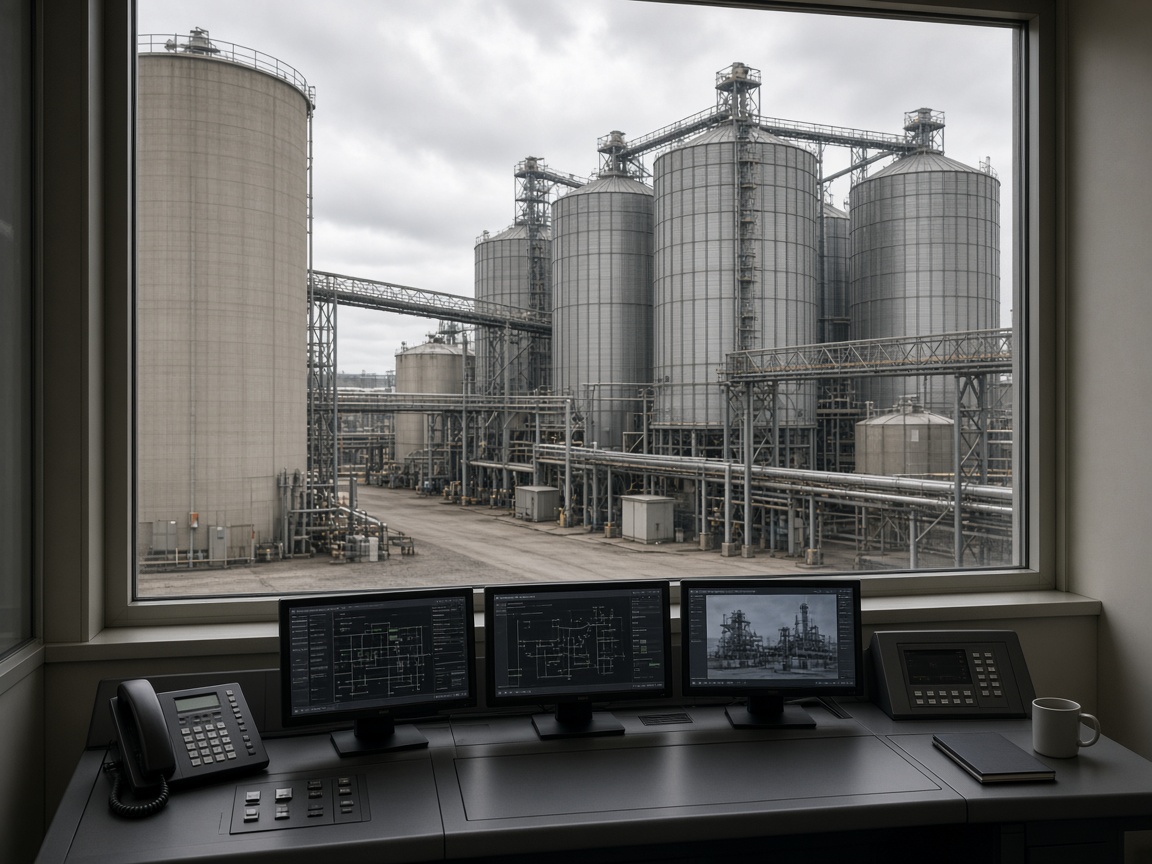
TECHNLOGIX PTY LTD installed non-contact radar level on each silo with filtering tuned against recorded fill and discharge cycles. The batch PLC converted level deltas to mass estimates using stored density factors per material, with low-level permissives blocking new batches. Operator screens showed estimated kilograms remaining and time-to-starvation at current demand.
Commissioning correlated radar trends with truck delivery weights and scale checks at the mixer.
Outcomes
Overfill incidents were not repeated once high-high interlocks were tied to verified level trends. Batch variance improved when starvation alarms preceded mixer trips. Planning could see estimated silo headroom without walking the yard.
Lessons for similar sites
Radar pays off when you invest in signal conditioning for your dust class. Tie batch records to level-based mass, not only timer presets.