Situation
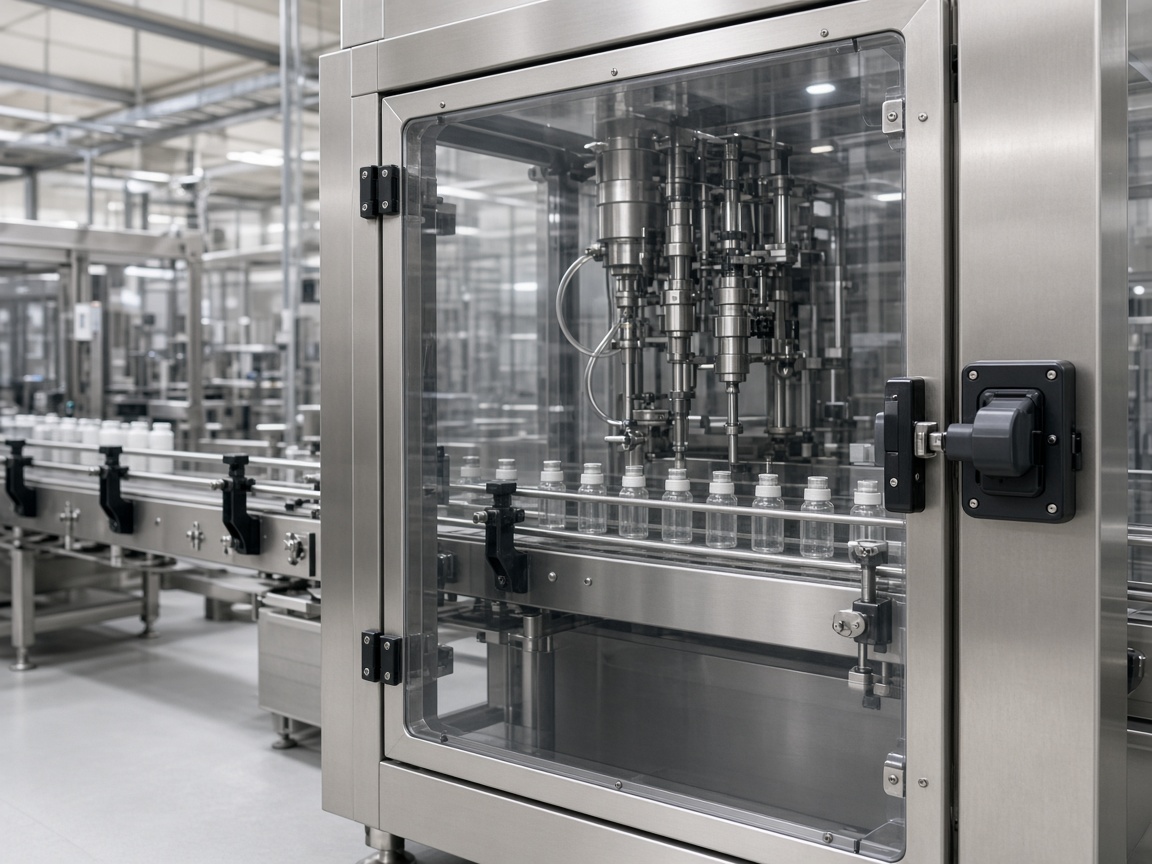
A filling line experienced repeated nuisance trips on guard doors during sanitation mode. Insurance review requested evidence that safety functions met current expectations. The site needed a safety PLC architecture without stopping production for a full mechanical rebuild.
Problems encountered
- Prior integrator mixed standard and safety IO on one controller.
- Proof test records were incomplete; some switches were inaccessible during run.
- Sanitation mode bypasses were implemented informally in standard logic.
Engineering response
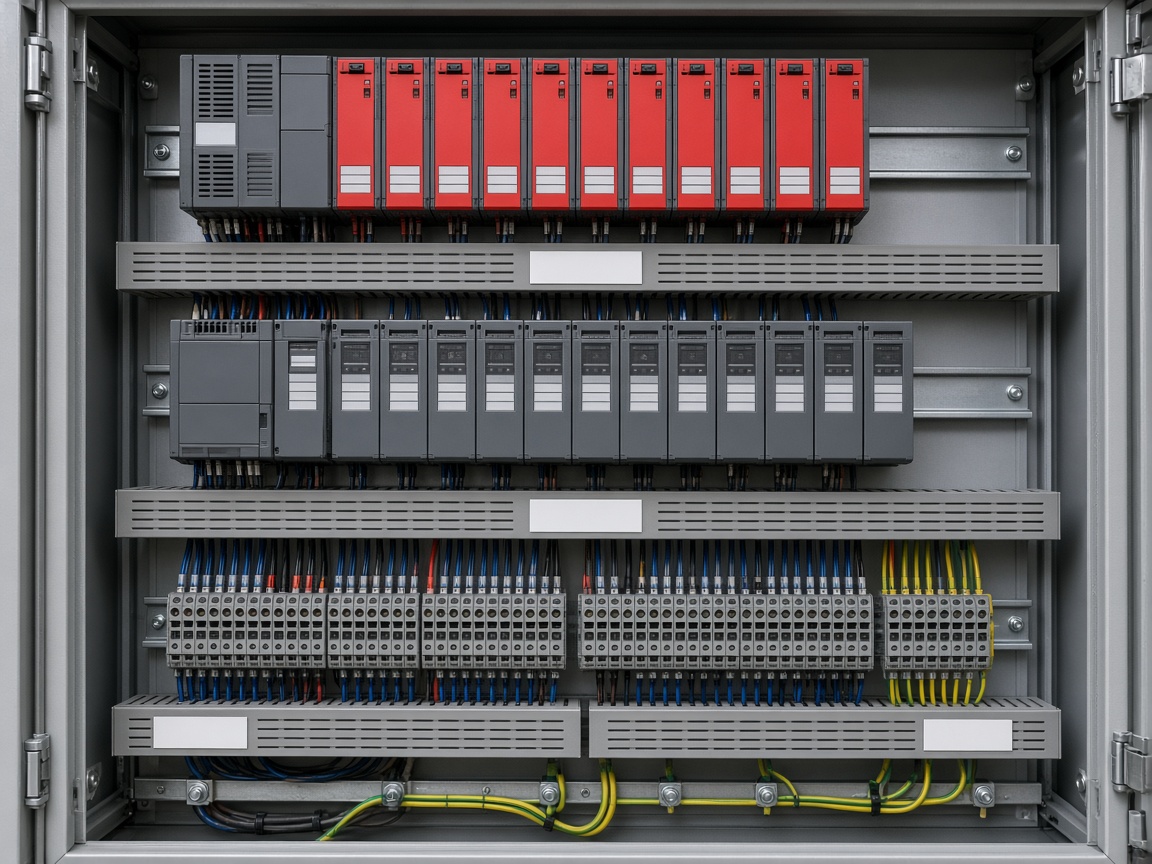
We partnered with the client’s external functional safety assessor to define required performance levels per hazard. Safety PLC handled guard monitoring, speed monitoring, and safe torque off to servos; standard PLC handled sequence logic with documented interface bits. Sanitation mode became an explicit state with time limits and annunciation if exceeded.
Proof test procedures were rewritten for maintainability—tests schedulable during planned stops. Wiring changes were minimised by reusing safe inputs where channel diagnostics allowed.
Outcomes
Nuisance trips during sanitation were less frequent after mode logic was formalised. Proof tests completed on schedule with signed records for audit. Production rate was unchanged; operators reported the safety system was easier to work with during normal changeovers.