Situation
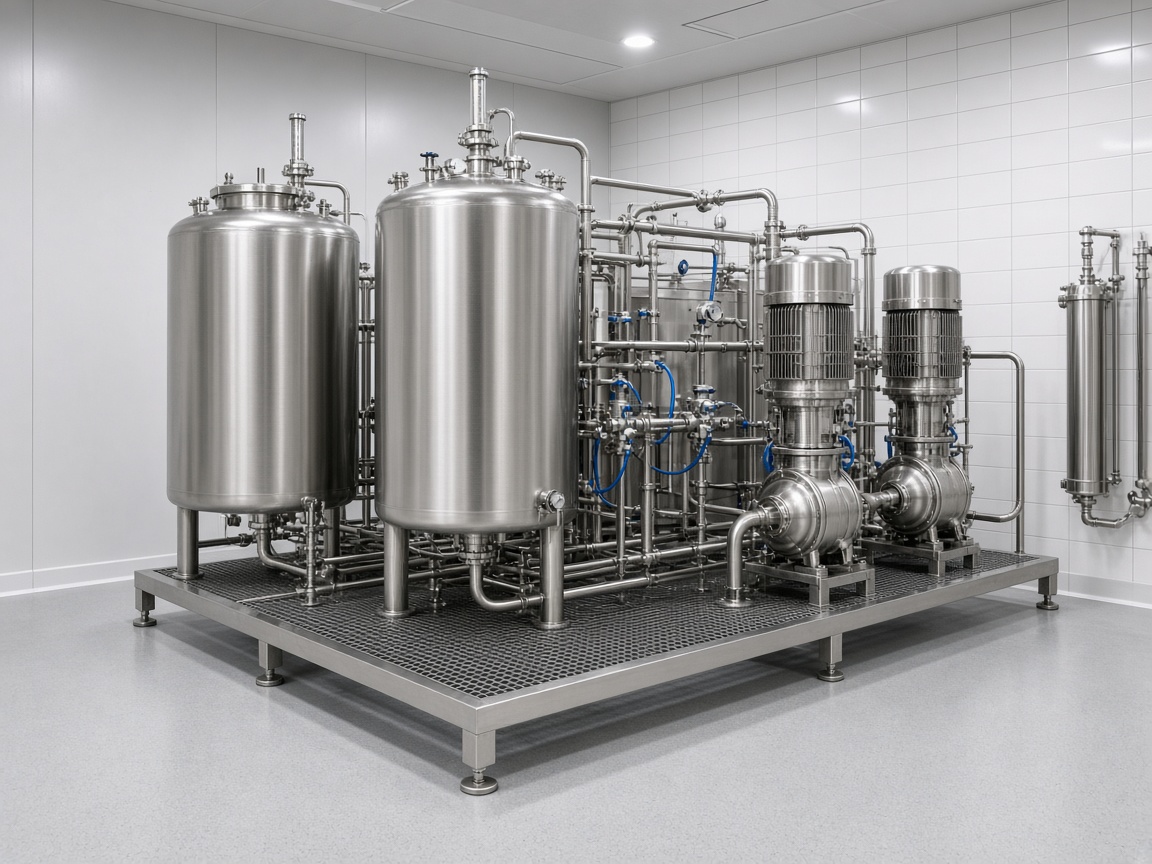
A liquid processing plant ran CIP partly through a legacy sequencer and partly through operator checklists on laminated sheets. QA audits found step times and temperatures were not consistently recorded. The site needed automated sequences with permissives, hold points, and exportable logs without replacing all field valves in one shutdown.
Problems encountered
- Return conductivity targets were verified manually; out-of-spec rinses sometimes continued.
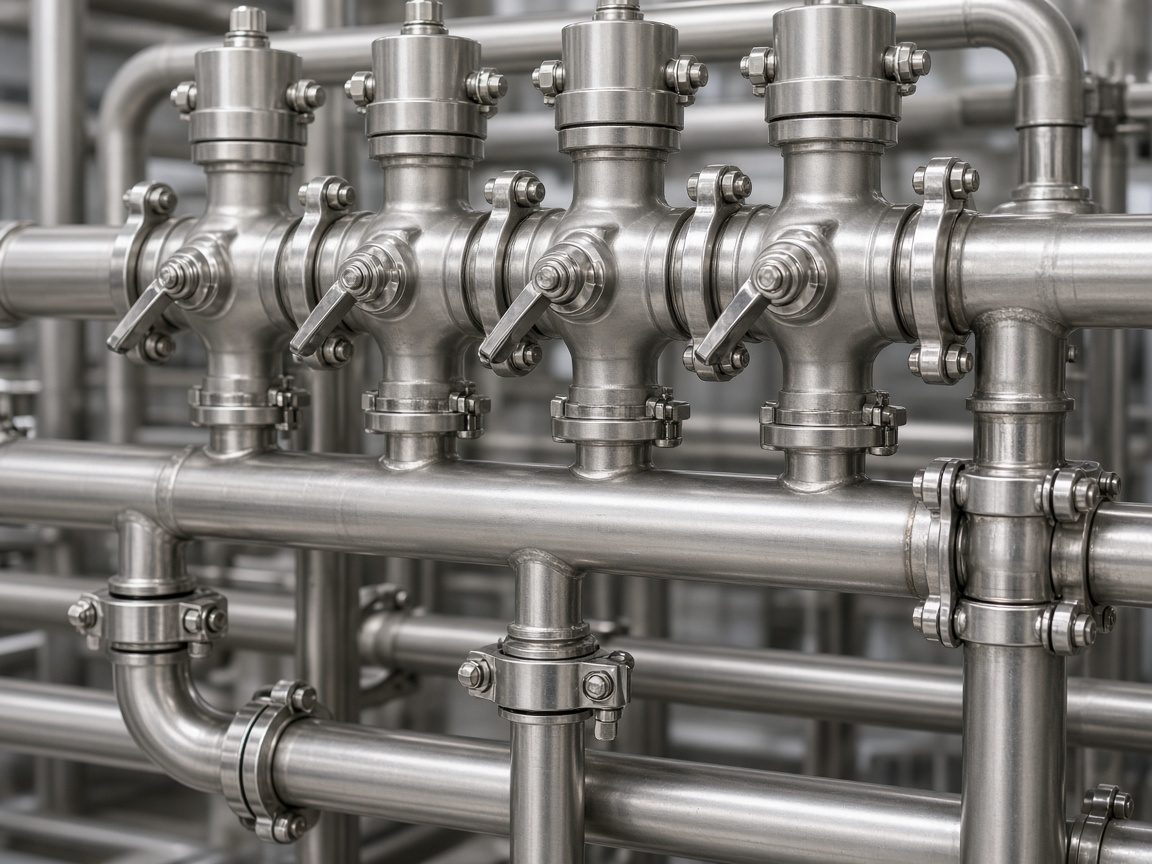
- Interlocks between product and CIP paths relied on undocumented valve limit switches.
- Operators skipped caustic steps under time pressure; there was no tamper-evident record.
- Parallel CIP on two circuits shared pumps without clear arbitration logic.
Engineering response
TECHNLOGIX PTY LTD implemented phase-based CIP sequences with minimum times, temperature floors, and conductivity checks before advance. Valve permissives were tested against physical walkdowns; mismatched limits were corrected before logic was frozen. Each run logged operator ID, recipe, start and end timestamps, and alarm summary to a CSV archive and historian tags.
SAT included deliberate fault injection: low flow, high return temperature, and aborted cycles.
Outcomes
Audit findings on CIP evidence were addressed with exported run logs and signed procedures. CIP duration became more predictable, which helped handover to production slots. Maintenance could relate valve faults to step counts recorded in each run.
Lessons for similar sites
CIP automation is compliance automation: if the log is not trustworthy, the sequence is not finished. Walk down every path valve before trusting software interlocks.