Industrial automation at TECHNLOGIX PTY LTD means control software and hardware that operators trust on night shift, maintainers can diagnose without guessing, and managers can audit after an incident. We engineer for the decade after commissioning—not only for the FAT photo.
Scope of work
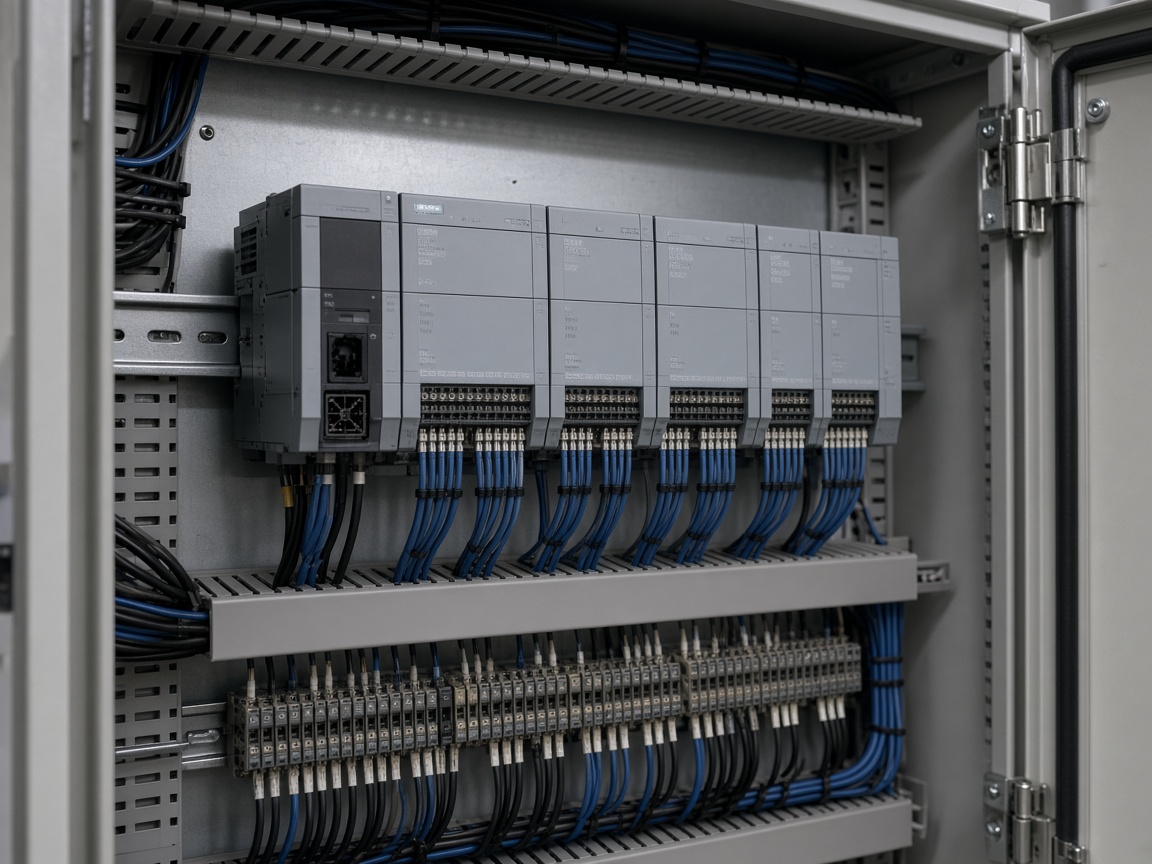
Our automation practice covers programmable controllers, operator interfaces, variable-speed drives, servo systems where applicable, and the field devices that feed them—proximity sensors, encoders, flow meters, pressure transmitters, and safety devices integrated according to your risk assessments. We produce I/O schedules, cause-and-effect matrices for safety-related functions, and logic structured in reusable modules.
Projects range from replacing a single obsolete PLC on a packaging line to resequencing an entire cell after mechanical upgrade. We are equally comfortable working inside an OEM-supplied machine envelope or standardising programs across multiple lines so your maintenance team sees familiar patterns.
Programming philosophy
Readable logic is a safety feature. Obfuscated programs become single-person dependencies. We use consistent naming, state-based sequence design, and explicit interlocks rather than buried bits in unrelated routines. Alarms are authored with operator action text, not error codes alone. Where your site mandates a specific programming standard—IEC 61131 languages, vendor guidelines, or internal templates—we adopt them and document deviations when equipment limitations require compromise.
Simulation and offline testing are used aggressively. Where IO is not available, we simulate devices to validate sequences before energising production equipment. This is especially valuable for complex changeovers and sanitation modes in food production.
HMI and operator experience
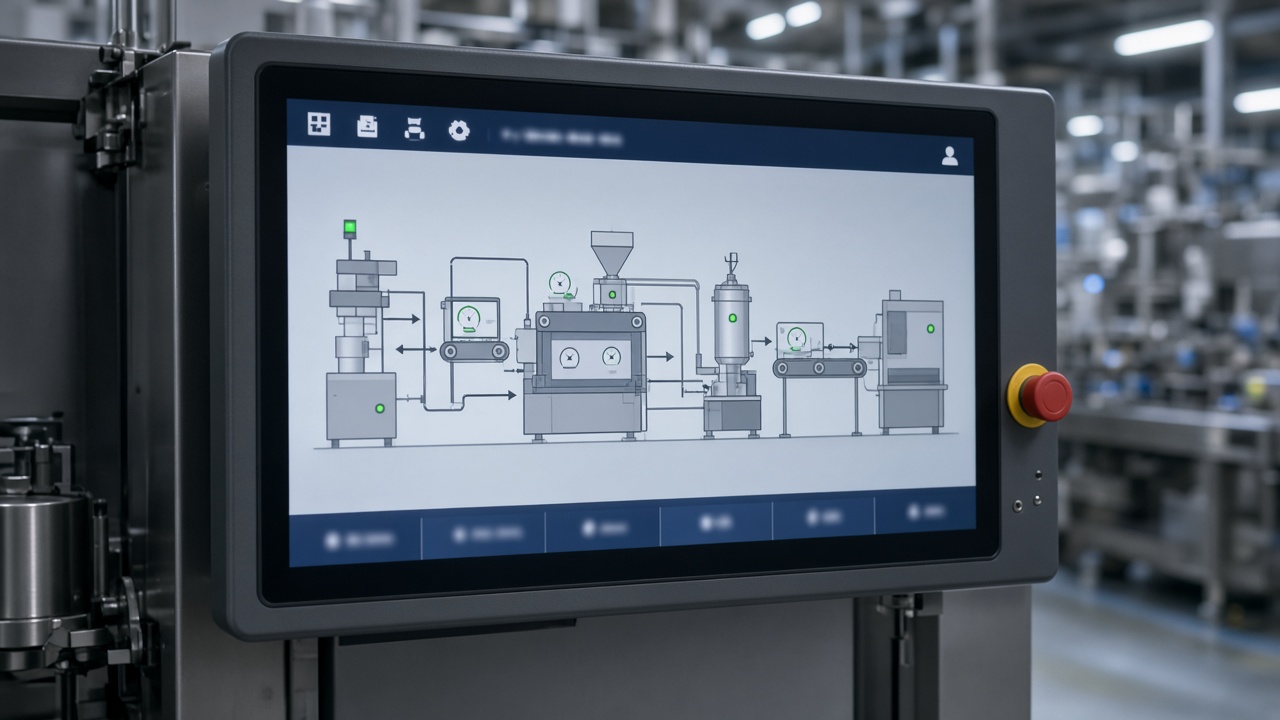
HMIs are production tools, not marketing displays. Screen hierarchy follows task frequency: run, fault, setup, maintenance. Colour use respects alarm priority; we avoid rainbow screens that hide critical faults. Role-based access separates operator adjustments from engineering parameters. Trend and event displays are configured so supervisors can answer “what changed before the trip?” without exporting cryptic logs.
Testing and acceptance
Factory acceptance tests are scripted against requirements agreed during design. Site acceptance tests include production-representative runs where possible. We record pass/fail evidence suitable for your quality system. Punch items are tracked to closure; “we’ll fix it later” items are not accepted as hidden debt without a dated plan.
Deliverables
- Functional design and/or updated cause-and-effect documentation
- PLC and HMI source exports with revision labels
- I/O database and device parameter backups
- Test records (FAT/SAT) mapped to requirements
- Operator and maintenance quick-reference guides
Typical Victorian scenarios
Obsolete PLC with no spare CPU on shelf; HMI running an unsupported Windows version; VFD parameters lost because nobody backed them up; line stopped because a photoeye teach was wiped during an unrelated download. These are not embarrassments—they are normal brownfield conditions. Our automation service is priced and planned to exit those states without pretending the plant was new.
Related services
Automation rarely ends at the PLC rack. If your project needs SCADA, MES, or network design, our system integration service continues the same interface documents so tags do not get redefined twice.
Motion and drives
Where servos or coordinated drives are in scope, we verify safe torque off paths, homing procedures after maintenance, and unit conversions that do not trap operators in metric/imperial confusion. Drive parameter backups are part of handover—losing them during a replacement is a common self-inflicted outage.
Batch and recipe handling
Recipe-managed equipment demands audit trails: who changed setpoints, when, and from which HMI station. We implement versioning aligned with your quality procedures rather than ad hoc integer recipe numbers nobody documents.
Spares and lifecycle
We recommend spares lists with lead times at handover—CPU, communication modules, and field devices that historically fail. Obsolescence monitoring is your ongoing task, but we flag end-of-life notices observed during the project.