We exist to make control-system change predictable for Victorian manufacturers: scoped honestly, tested before it touches production, and handed over with documentation that maintenance teams can use without chasing the original integrator.
Company profile
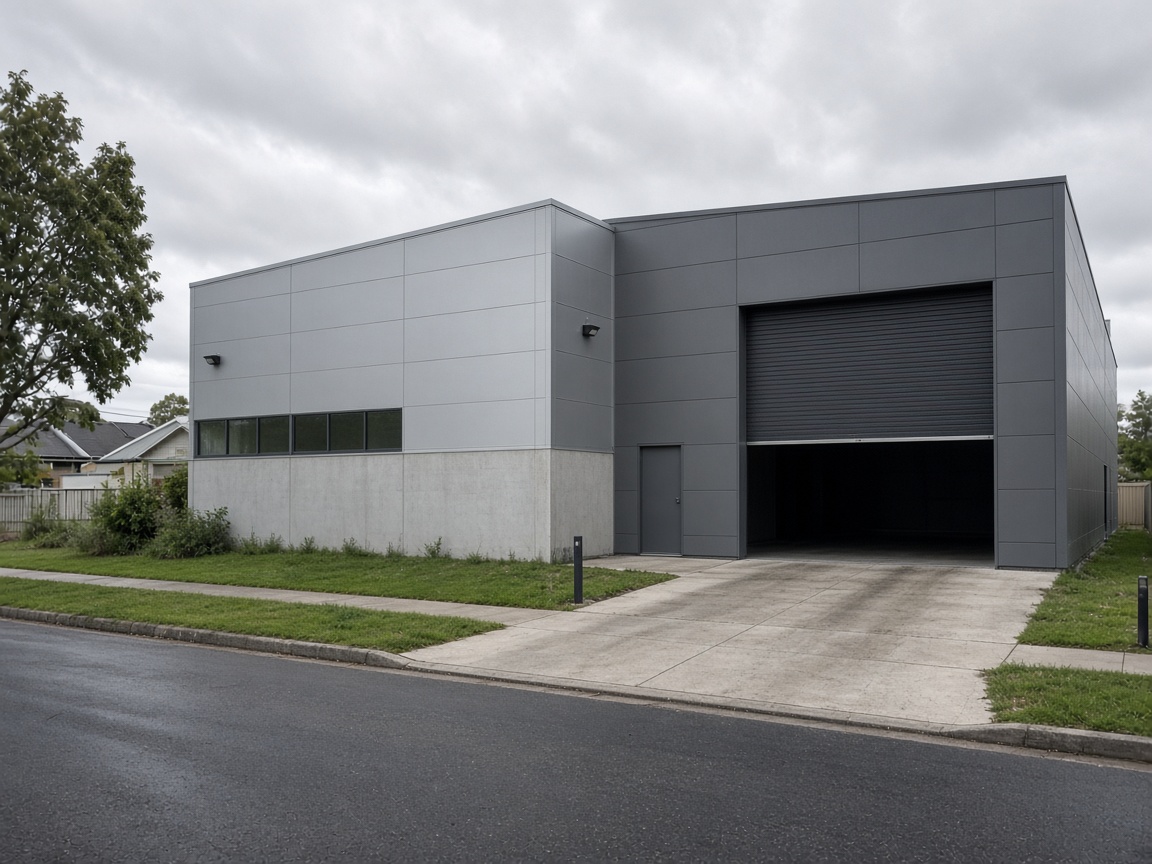
TECHNLOGIX PTY LTD is not a multi-office conglomerate or a software reseller dressed as an integrator. We are a focused engineering services company with a single operating address at 6/355 Palmers Rd, Truganina VIC 3029. That concentration is deliberate. When you engage us, you know who is accountable for logic, interfaces, and site behaviour. The same engineers who participate in design reviews are available for commissioning and hypercare.
Our registration date—07 Sep 2021—marks the formal establishment of a business built around plant-floor problems: ageing PLCs, fragmented HMIs, unreliable data to MES layers, and shutdown windows measured in hours rather than days. We have grown by delivery reputation within Victoria rather than by acquiring unrelated service lines.
Markets we serve
Victorian industry is diverse, but the control challenges rhyme. Food and beverage plants balance hygiene zones with high changeover frequency. Packaging lines chase throughput until a single sensor drift stops a palletiser. Logistics and warehouse sites run conveyors that must recover from jams without cascading stoppages. Smaller utility systems—compressed air, chilled water, boiler auxiliaries—often run on neglected PLCs until an alarm flood exposes how little documentation remains.
We work across these settings with the same engineering discipline: understand the production constraint first, then propose automation that respects it. We do not sell a favourite vendor stack. We select hardware and software that fit your standards, spares strategy, and internal competency. Where you have corporate mandates—for example, a preferred PLC family or network segmentation policy—we align with them and document exceptions when brownfield reality requires phased migration.
- 4 core service lines under one ABN
- 1 Victorian base (Truganina VIC 3029)
- 07 Sep 2021 company registration
How we are organised
We do not subcontract client-facing engineering anonymously. Project roles—lead controls engineer, integration specialist, site support—are assigned at kickoff and named in your project communication plan. For larger engagements we may partner with specialised trades (electrical installation, mechanical OEM support) under clear interface documents; we remain your single technical point for automation scope.
Internal quality is maintained through peer review of logic, structured test records, and version-controlled deliverables. We treat software changes with the same seriousness as mechanical modifications: revision history, rollback images, and signed FAT/SAT checklists where applicable.
Standards and safety consciousness
Australian workplaces expect automation to respect WHS obligations and applicable machinery standards. Our engineers work within your site rules—permit to work, lockout/tagout, hygiene procedures—and we document safety-related control functions so they can be maintained after handover. We do not replace your safety officer or certified functional safety assessor where formal SIL studies are required; we integrate their conclusions into PLC/HMI implementation and proof-test routines.
For general control programming we follow structured conventions: clear naming, modular logic, inhibited outputs during maintenance, and alarm text that states cause and required operator action. These practices reduce the “tribal knowledge” problem that makes later upgrades expensive.
Commercial conduct
We quote based on understood scope, not vague time-and-materials open tabs. Early conversations may be exploratory; once boundaries are defined we provide written estimates with assumptions and exclusions. Change control during projects is documented—scope creep is managed, not smuggled through weekly invoices. Payment terms and insurance certificates are provided as part of vendor onboarding when you require them.
Phone 03 8518 3263, email contact@technlogix.net.au, or use our request a quote form for structured enquiries.
Technology neutrality
We are not married to a single PLC vendor, SCADA package, or drive family. Selection criteria include your installed base, internal competency, spares agreements, and lifecycle roadmap. When a platform is technically adequate but organisationally entrenched, we implement it well rather than forcing migration for integrator convenience. When a platform is end-of-life, we say so plainly and quantify migration risk—including the hidden cost of engineers who only know obsolete toolchains.
For greenfield cells inside existing plants, we favour architectures that maintenance can support: modular logic, standard alarm templates, and network diagrams that match switch port labels. Fancy features that require a single contractor to return for every tweak are avoided unless you explicitly accept that dependency.
Confidentiality and data handling
Project files—logic exports, network diagrams, production rates discussed during hypercare—are treated as your confidential information. We store working copies only for the duration of engagement plus agreed retention for warranty support. We do not reuse your sequences as templates for competitors; generic libraries are built from anonymised patterns or industry-neutral modules developed in-house.
When integration touches MES or ERP data, we follow your IT policies for credentials, VPN access, and segregation of duties. We do not ask for domain admin when read-only diagnostic access suffices.
Working with your internal teams
Many clients employ capable electricians and instrument technicians but lack dedicated controls staff. We adapt: pair programming on logic with your high-potential maintainer, or stay arm’s-length with clear deliverables only. We document assumptions when internal capacity will own long-term changes so training hours are budgeted realistically.
Conflict between production “just run it” and engineering “fix it properly” is normal. We facilitate evidence—trend plots, fault counts, risk notes—so decisions are made by management with eyes open, not argued at the HMI during a jam.
What success looks like
Success is not a flashy HMI theme. It is stable trends, alarms that mean something, integration tags that match the MES, and a maintenance folder that still matches the running code six months later. That is the standard we hold ourselves to on every Victorian engagement.